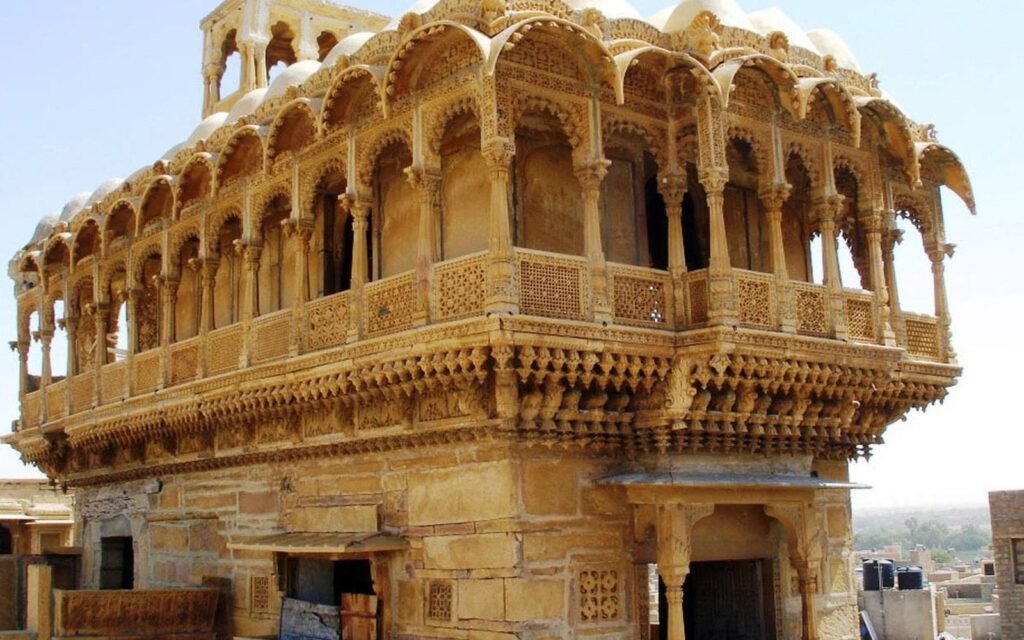
Ahmedabad’s old city, with its pols, havelis and timber-fronted homes, is one of India’s most recognisable heritage landscapes. Owning or managing a building here is a privilege, but it also means that repair, restoration or change of use rarely follows the same path as an ordinary building project.
Why heritage buildings need extra approvals
Buildings that are protected, or that sit in a protected zone, are usually governed by additional rules on what can be altered, how close new construction may come, and which materials and methods are acceptable. The aim is to keep the character of the structure intact while still making it safe and usable.
The usual steps
- Confirm the status. Find out whether the building is individually listed, sits inside a heritage zone, or falls under a local authority’s guidelines.
- Document the existing condition. Measured drawings, photographs and a structural assessment give every authority the same starting point.
- Prepare the proposal. Repair and restoration work is normally described in drawings and a method statement that explains what will be retained, repaired or replaced.
- Apply to the right authority. Depending on the property this may include the municipal corporation and, for centrally protected monuments, the relevant archaeological authority.
- Respond to queries. Authorities often ask for clarifications, so complete and consistent documents save weeks.
Common mistakes to avoid
- Starting work before the permissions are in place.
- Using modern materials that are not compatible with old masonry or timber.
- Submitting incomplete drawings that need to be redone.
How V-Maker helps
V-Maker coordinates documentation, drawings and authority liaison so that owners are not left to chase files between offices. Every property is different, so the exact requirements should always be confirmed with the concerned authority for your building.
This article is general guidance and not legal advice.